
SepticRooter™
Metro Atlanta & North Georgia Septic Experts
 (678) 744-7878
(678) 744-7878
(678) 744-7878
Red light flashing or buzzer going off in Atlanta? A pump alarm means your system has already detected a problem. We respond fast across Atlanta — call now and get a technician dispatched immediately.
We respond fast · No obligation · Licensed experts
(678) 744-7878
 Why Your Alarm Is Going Off
A septic pump alarm in Atlanta means your system has detected a problem. Here are the common causes — all need professional attention.
The pump motor has burned out or seized. Effluent can't move to the drain field and will back up into your home.
Critical — Call Now
The float switch tripped because the chamber level is too high. The pump may be failing or already failed.
Urgent
A stuck or failed float won't start the pump — or won't stop it. Either way the alarm is real.
Needs Service
A tripped breaker, failed relay, or wiring fault in the control panel cuts power to the pump.
Needs Service
A blocked discharge line stops effluent from leaving the chamber, tripping the high-water alarm.
Needs Service
Lost circuit or GFCI trip leaves the pump dead while the alarm runs on backup — act fast.
Urgent
 The Cost of Waiting
What starts as a pump alarm in Atlanta can escalate into a full household emergency.
Once the chamber fills, effluent has one place to go — back through your drains and toilets. A health emergency and major property damage.
Raw sewage carries harmful bacteria and pathogens that put your household at risk the longer it sits.
Running a failing system can push solids into and clog the drain field — turning a repair into a full replacement.
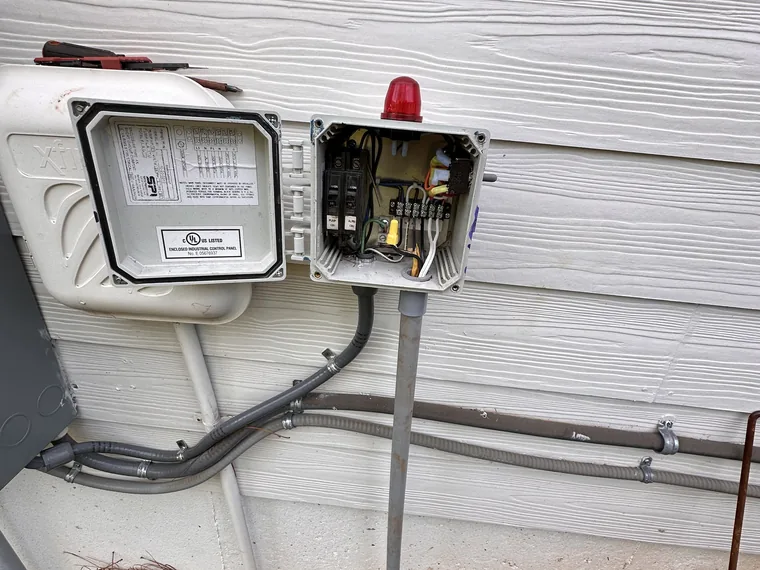
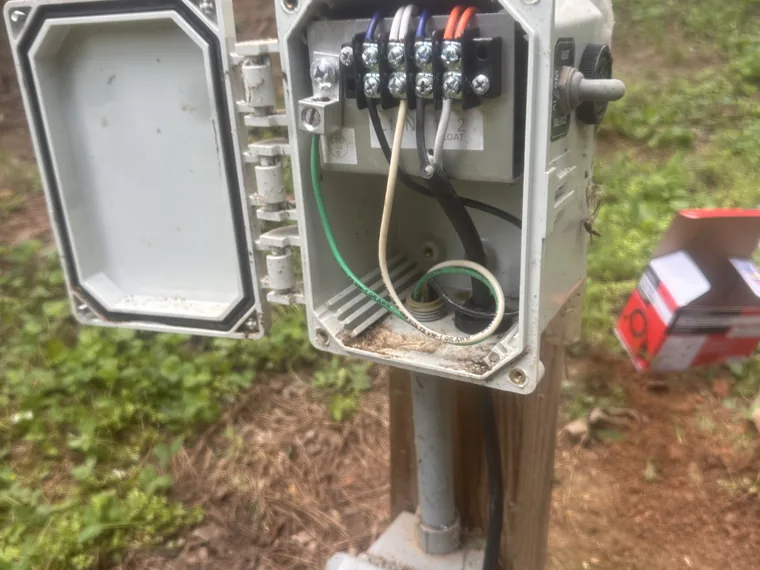
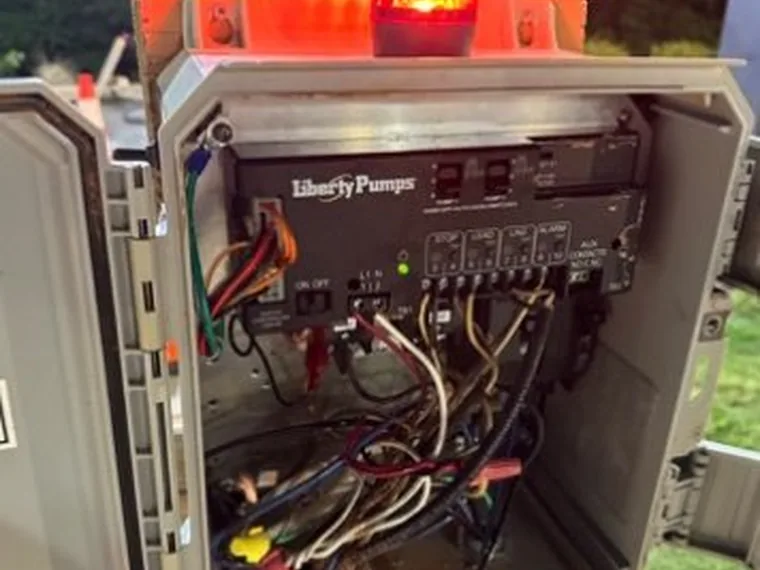
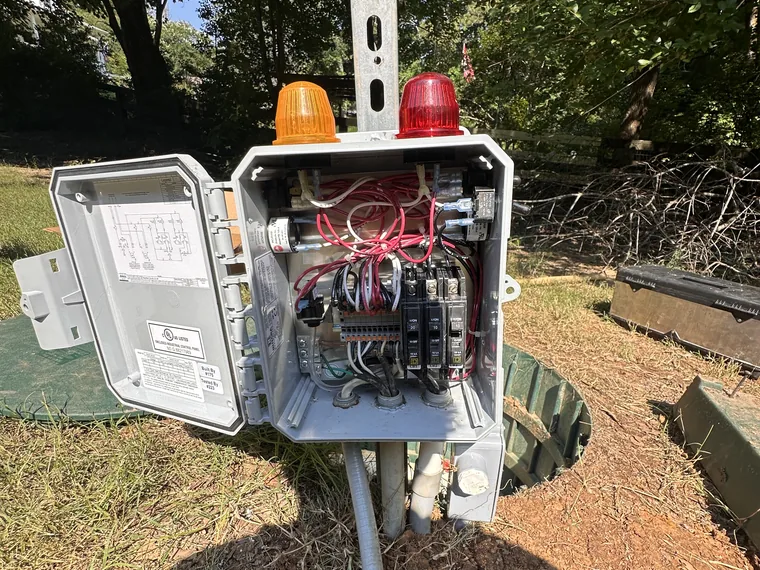
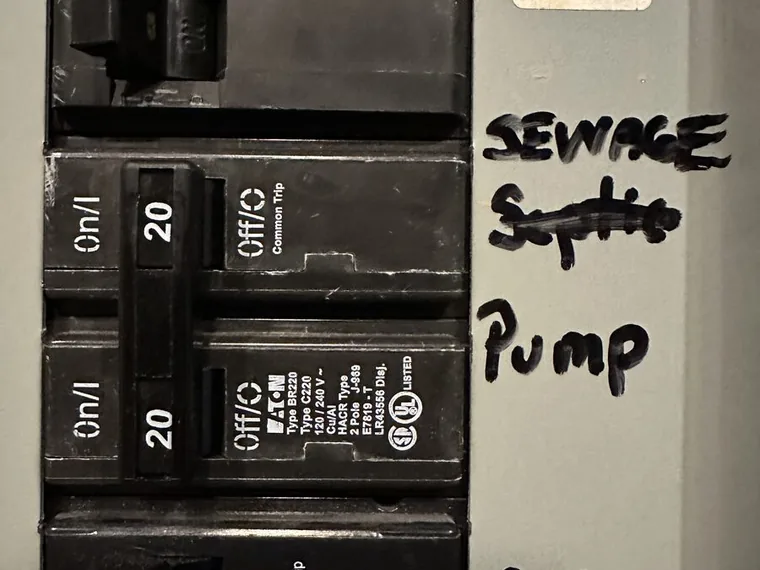
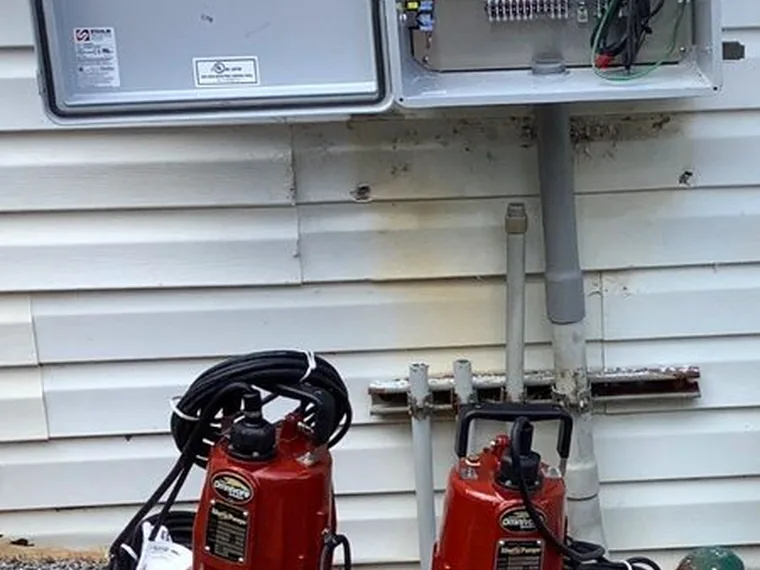
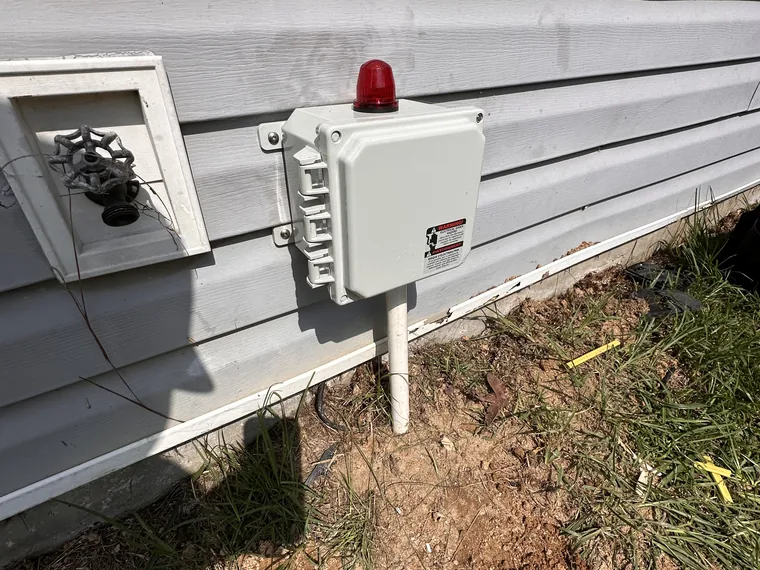
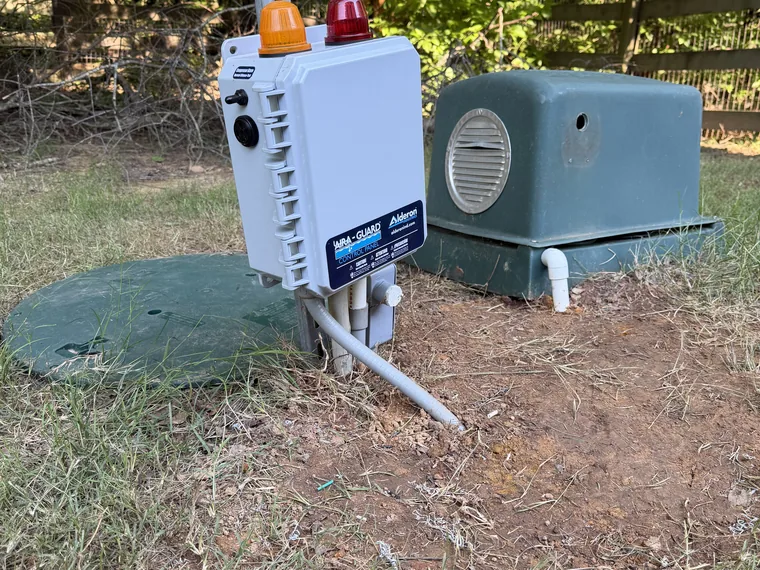
What It Looks LikeReal pump and control-panel work from our crews across Atlanta and Metro Atlanta.
 What Happens When You Call
No runaround, no voicemail. Here's exactly what happens when you call.
Describe what's happening and we assess severity immediately.
A licensed technician is dispatched to your Atlanta location. We tell you exactly when to expect us.
We inspect the pump, float switch, control panel, and chamber to find the root cause — no guessing.
You get a straight explanation and an upfront price before we do the repair.
 Reviews
“Rob at SepticRooter came to diagnose my septic tank. He is the best of the best! He was so prepared with photos of my septic tank from the City as soon as he came through the front door. He is not just professional & extremely knowledgeable; he is a joy to meet.”
“Honest and trustworthy! We had been told we had a septic tank, even had another company out once, turns out, we have been connected to sewer for 30 years! While we didn't need their services, they sent us all the documentation from the county and shared info from them.”
“Awesome company.. quick response and high quality work.. showed me everything as they went along so I knew exactly what needed to be done.”
“Rob is absolutely the best for all things septic! First, he and his wife Beth are responsive, which sets a nice tone for getting scheduled. I recently moved into the house and had no idea where both septics are.”

Regular pumping removes solids before they reach your drain field — most homes need service every 3 to 5 years.
“Flushable” wipes don't break down and grease coats your tank — both accelerate failure fast.
Back-to-back showers, laundry, and dishwasher cycles can overwhelm the system. Space them out.
Tree and shrub roots seek out moisture and invade tanks and lines — a leading cause of repairs.
Don't park or drive over the drain field — compaction crushes lines and ruins percolation.
Slow drains, odors, or lush green patches in the yard are early warnings — don't ignore them.
Save pumping and repair records — they help at resale and speed up any future diagnosis.
Catching problems early in Atlanta almost always means a cheaper, simpler fix.
Common Questions Why SepticRooter™Atlanta sits in Fulton County, where local soil, mature tree roots, and aging drain fields are the usual culprits. Here's why neighbors trust us with it.
We work in Atlanta and across Fulton County every week — we know the local soil, lot layouts, and what the county health department requires for septic pump alarm service.
Septic problems don't wait. We offer same-day response to Atlanta and get a licensed technician on site fast.
You get a clear price before we start — no surprise add-ons. For many Atlanta homeowners, the problem is smaller than they feared.
A fully licensed and insured Georgia septic contractor, family-owned since 1989 and BBB A+ accredited — standing behind every job in Atlanta.
SepticRooter™ serves Atlanta and nearby Fulton County neighborhoods with septic repair, replacement, pump alarm, tank service, and septic tank pumping.
Explore more in Atlanta: Repairs in Atlanta · Replacement in Atlanta · Septic Service in Atlanta · Tank Pumping in Atlanta
The SepticRooter Family & Crew

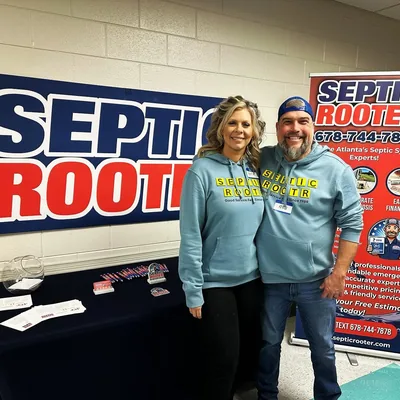
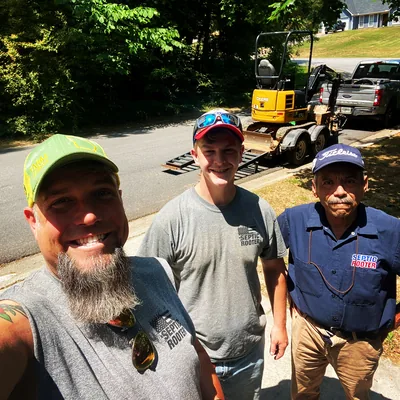



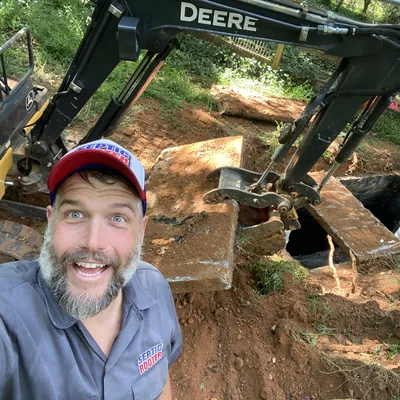

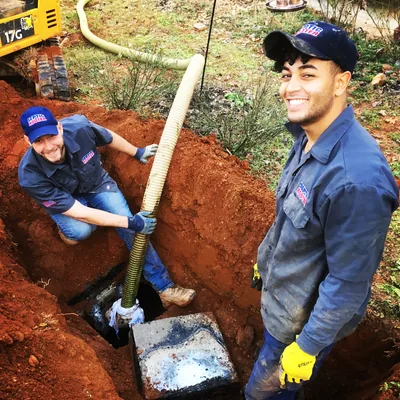
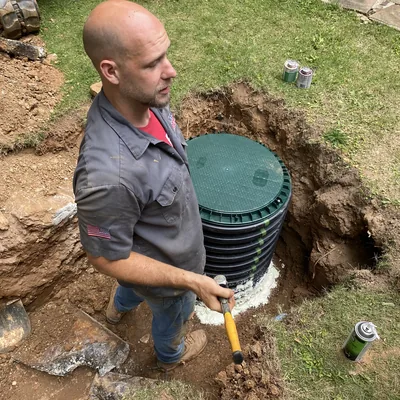
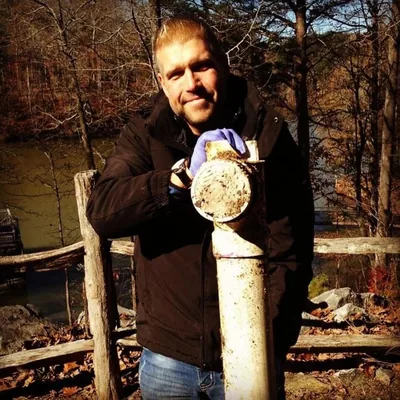
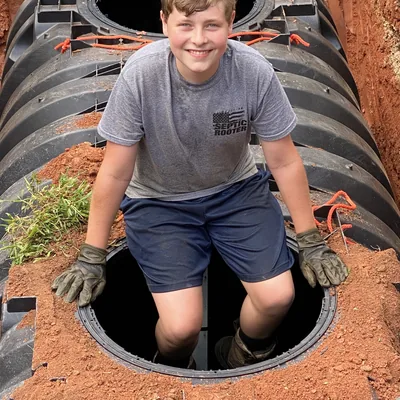



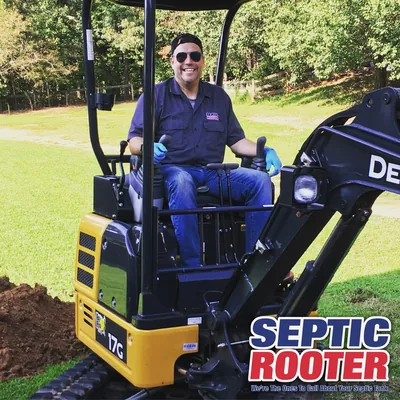

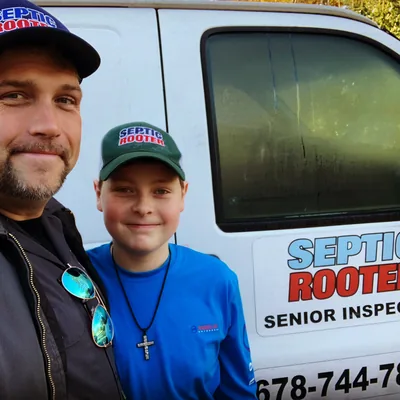




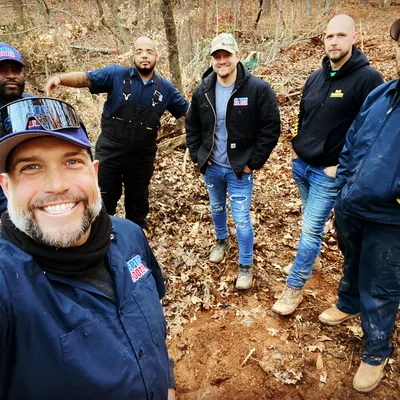


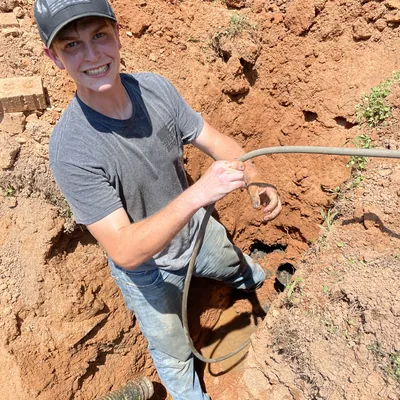

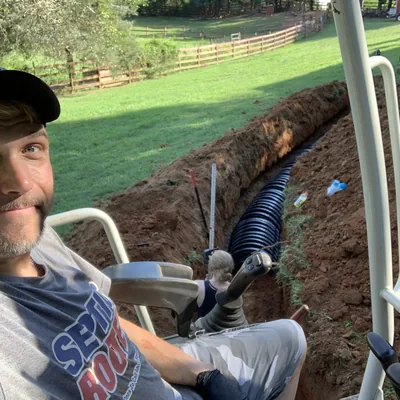



Our licensed technicians will help you figure out the right solution — no pressure, no runaround.
(678) 744-7878
 BBB A+ Since 1989
 GA Licensed
 Fully Insured
 NAWT Certified