SepticRooter™
Metro Atlanta & North Georgia Septic Experts
 (678) 744-7878
(678) 744-7878
(678) 744-7878
These guides are written from 35+ years of field experience in Metro Atlanta and North Georgia. Not what a website thinks you want to hear — what a licensed contractor would actually tell you.
(678) 744-7878
 Field Experience, Not Theory
Select the question that matches your situation. Each guide is written by the people who actually show up in your driveway.
A flashing red light or buzzing alarm means your pump system has detected a problem. Here's what's actually happening, what not to do, and when you need to call.
Read the guide →Sewage odor in your yard is never normal — and it's almost never caused by a full tank. Here's what's really going on and what to do about it.
Read the guide →If multiple drains are slow or backing up at the same time, the problem is downstream — in your septic system. Here's how to diagnose it correctly.
Read the guide →Most homeowners call a pump truck first. Here's why that's often the wrong move — and how to figure out what your system actually needs.
Read the guide →Full system replacement costs vary widely. Here's a straight answer on what drives the price in Georgia — and how to get a real number for your property.
Read the guide →A failing drain field gives clear signals before it completely fails. Catching them early can mean a $2,000 repair instead of a $20,000 replacement.
Read the guide →Septic issues discovered during a real estate transaction create real stress. Here's how it typically plays out — and what buyers, sellers, and agents need to know.
Read the guide →It happens more often than you'd think — and it creates real problems for access, safety, and resale. Here's what to know if your tank is under a structure.
Read the guide →Roswell-specific factors — Fulton County permitting, soil conditions, lot sizes — all affect what replacement actually costs. Here's what to expect.
Read the guide →Marietta and Cobb County have their own permitting process and soil conditions. Here's what septic replacement actually costs in this market.
Read the guide →Heavy rain set off your septic alarm. Here's what's happening in the tank, what's safe to do tonight, and when it means the drain field is losing capacity.
Read the guide →You just had the tank pumped and the drains are slow again. That usually means the problem was never the tank. Here's what is actually wrong.
Read the guide →Same symptoms, very different repair paths. Here's how to tell a clogged septic line from a failing drain field before you commit to major work.
Read the guide →The septic inspection failed and you're under contract. Here's what it means, what your options are, and how to keep the closing moving.
Read the guide →Someone quoted you a new septic system. Here's how to tell whether a repair could solve it and what evidence should back a replacement recommendation.
Read the guide →Chamber drain fields are common in Georgia septic work. Here's how they work, why counties use them, and what failure signs homeowners should watch for.
Read the guide →Septic systems are biological treatment systems, not trash disposals. Here's what to keep out of your drains to prevent backups and field damage.
Read the guide →Septic additives are not a substitute for pumping, diagnosis, or repair. Here's what they can and cannot do for a Georgia septic system.
Read the guide →




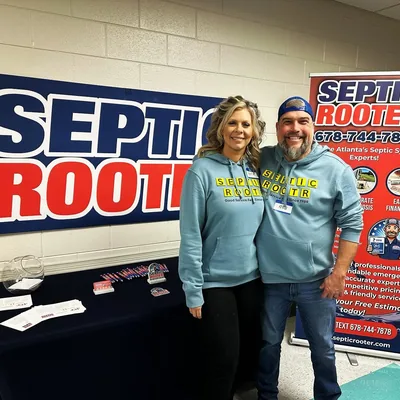
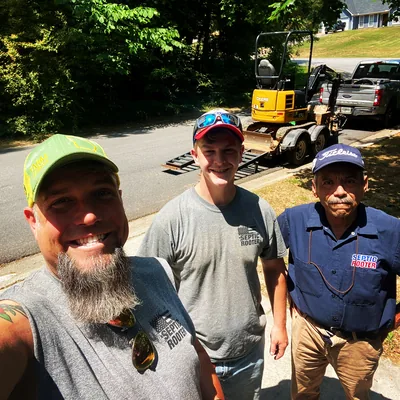
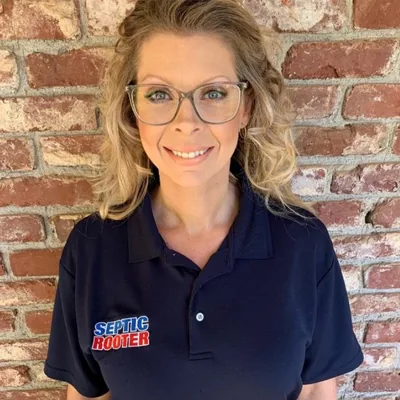
The SepticRooter Family & Crew



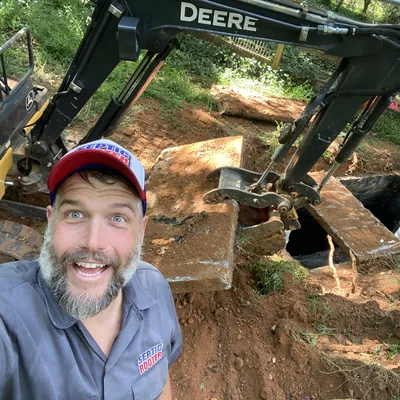

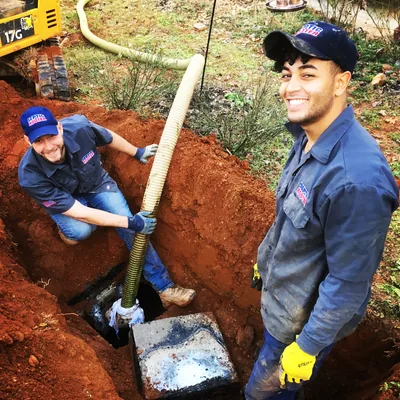
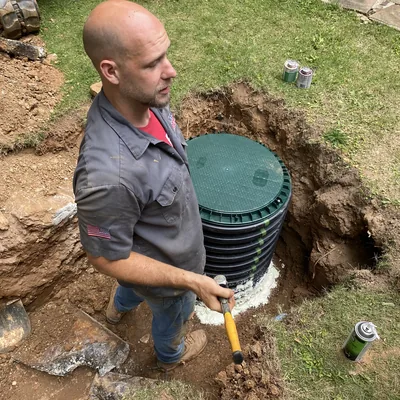
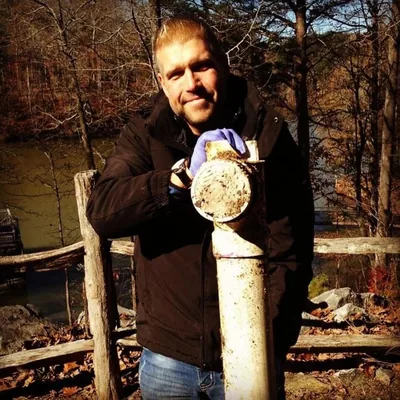


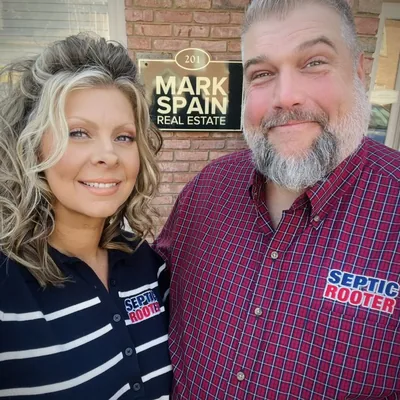

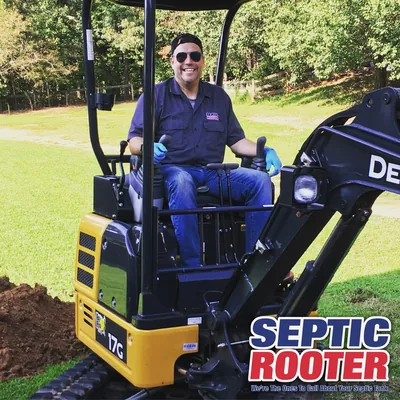

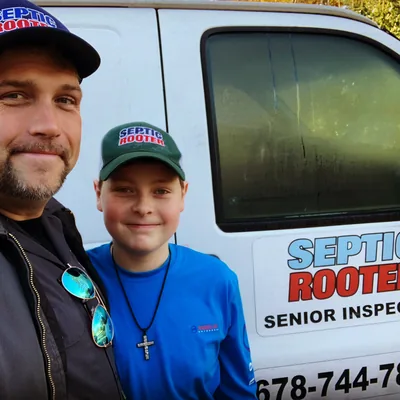




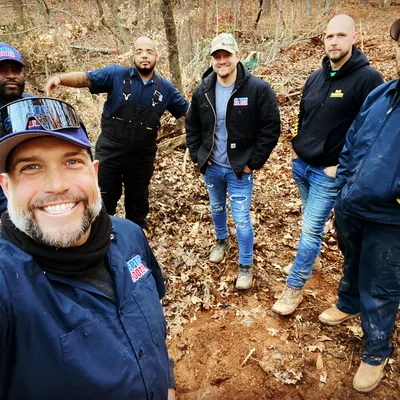


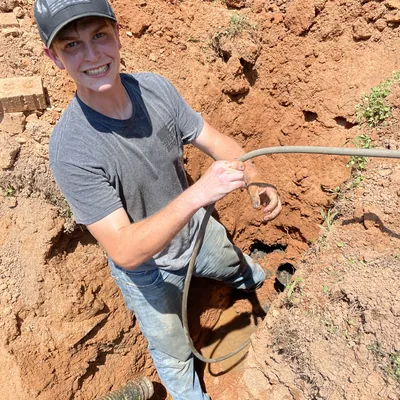
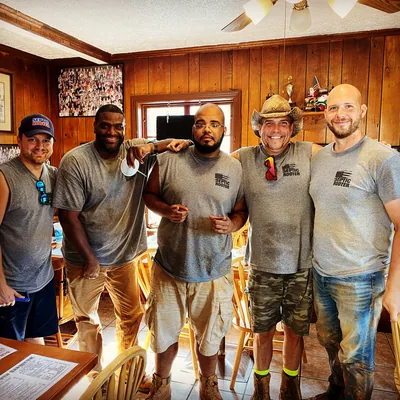
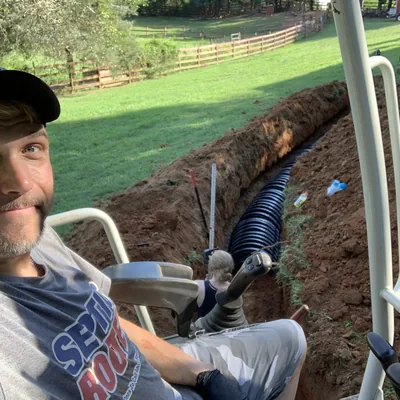



Describe your situation and our licensed team will point you in the right direction.
(678) 744-7878