SepticRooter™
Metro Atlanta & North Georgia Septic Experts
 (678) 744-7878
(678) 744-7878
(678) 744-7878
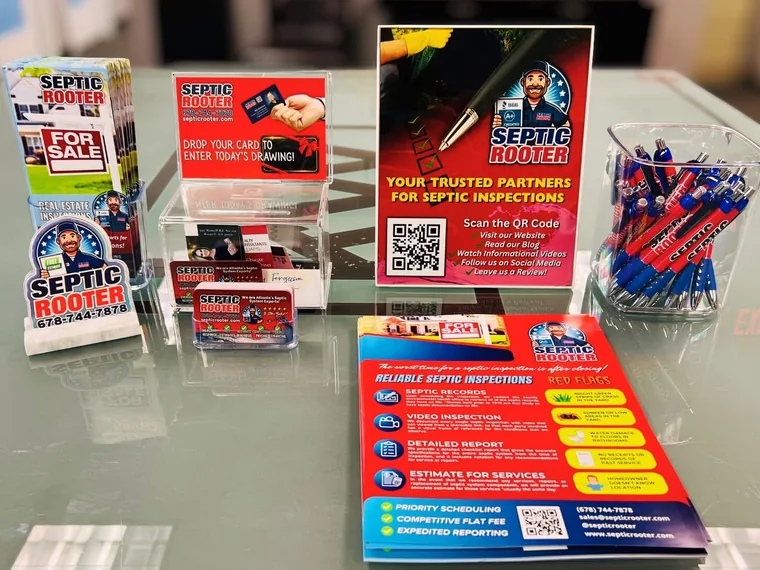
“The worst time for a septic inspection is after closing.” Whether you're a home buyer, seller, or agent, our team is standing by for your time-sensitive needs — and we help you navigate this complex, important system every step of the way to closing.
We respond fast · No obligation · Licensed experts
(678) 744-7878
Partnered with the Georgia Department of Public Health, we've dedicated our work to protecting Georgia's families, homes, and environment. Our team has specialized training most other septic contractors don't. You wouldn't accept a simple “pass” or “fail” from a home inspector — why settle for that from your septic inspector?
Expertise most septic contractors don't have.
Aligned with state public-health standards.
Real specifications, not a one-word verdict.
Built around your due-diligence deadline.
 What's Included
Four things every SepticRooter™ real estate inspection delivers — no guesswork, no vague verdicts.
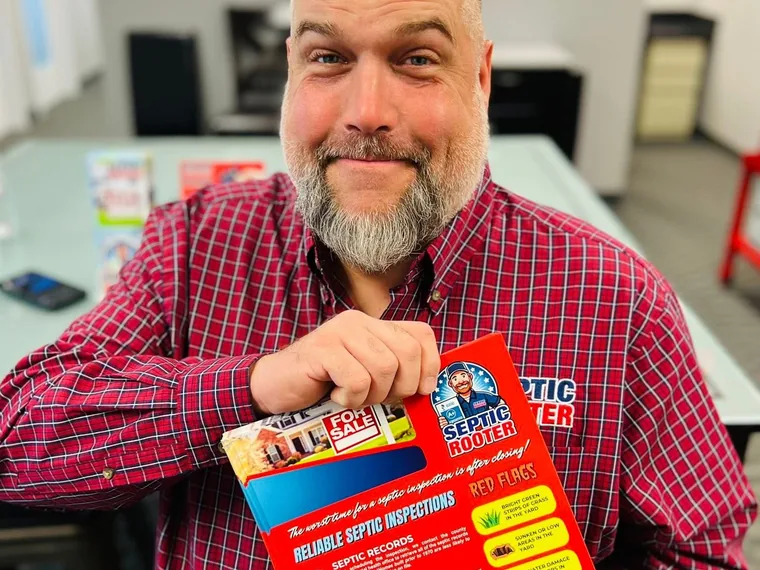
Upon scheduling, we contact the county health department to retrieve all septic records on file. (Homes built before 1970 are less likely to have records available.)
We document every inspection with video you can view from a shareable link — so every party has a visual frame of reference for what we observed.
A detailed checklist report with accurate specifications for the entire system at the time of inspection, including any recommended services or improvements.
If we recommend any service, repair, or replacement, we provide an accurate estimate for that work — usually the same day.
 What an Inspection Looks Like
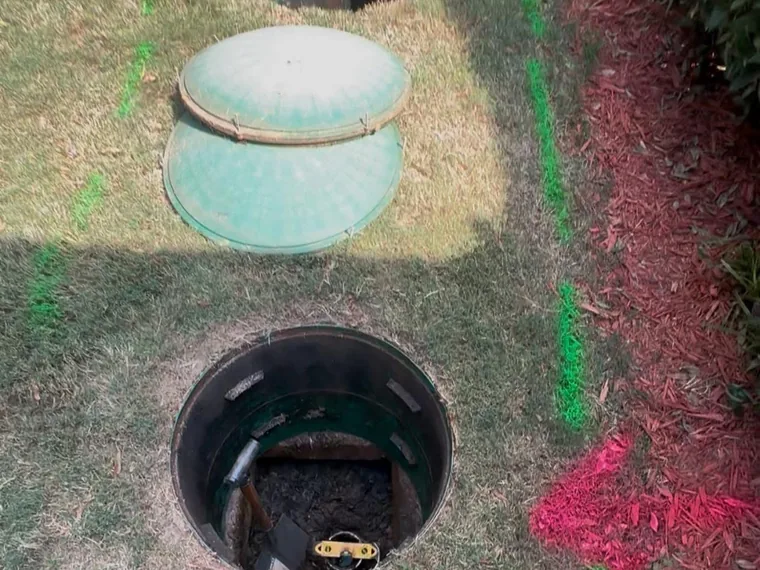
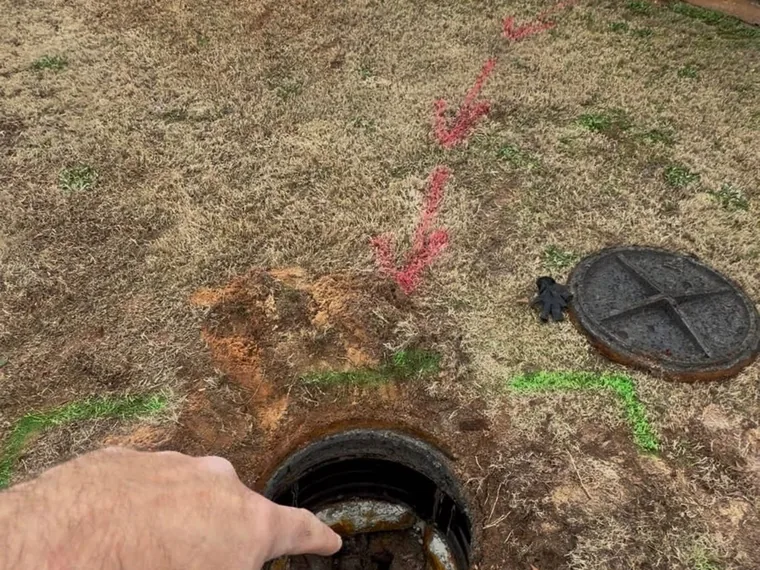
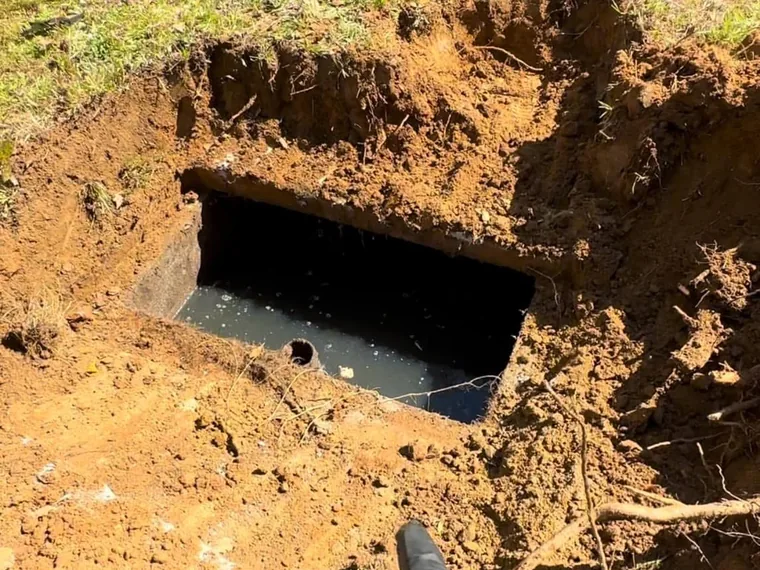
We locate the tank, uncover the lids, and open the system to inspect it — here's what that actually looks like in the field.
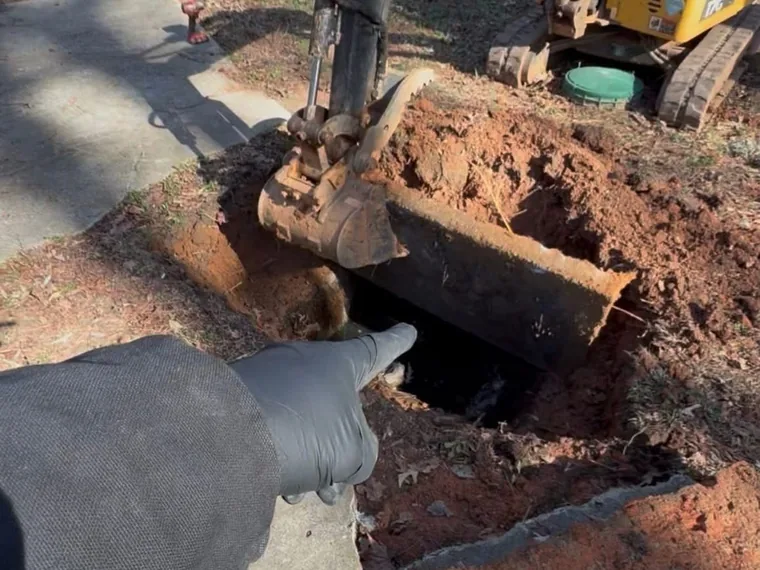 Obvious Warning Signs
Whether you're a seller preparing to list or a buyer in due diligence, we quickly help you navigate the system and get to closing.
Vivid green strips or soggy spots over the drain field often mean effluent is surfacing.
Low or sunken ground, open holes, or a stinky smell in the yard are classic red flags.
Damage to bathroom or kitchen floors can trace back to a struggling septic system.
No receipts or records of past septic service means the system's history is unknown.
If nobody knows where the septic tank is, that's a problem we'll solve before closing.
 Real Reviews
“We called SepticRooter Saturday morning. Rob answered right away and came that same afternoon to allow us to use our water and bathroom until the bigger job was done. He found several issues and was very detailed at explaining it.”
“SepticRooter is truly the best in the business! As a real estate professional, I've relied on Rob and his team multiple times for my clients, and they have exceeded expectations every single time.”
“Can't say enough how great SepticRooter was coming to our rescue as we had a very bad sewage back up from the septic tank being clogged. They diagnosed the problem quickly, explained the issues and costs for repair and performed the work very quickly even with the freezing temps.”
“Rob is absolutely the best for all things septic! First, he and his wife Beth are responsive, which sets a nice tone for getting scheduled. I recently moved into the house and had no idea where both septics are.”
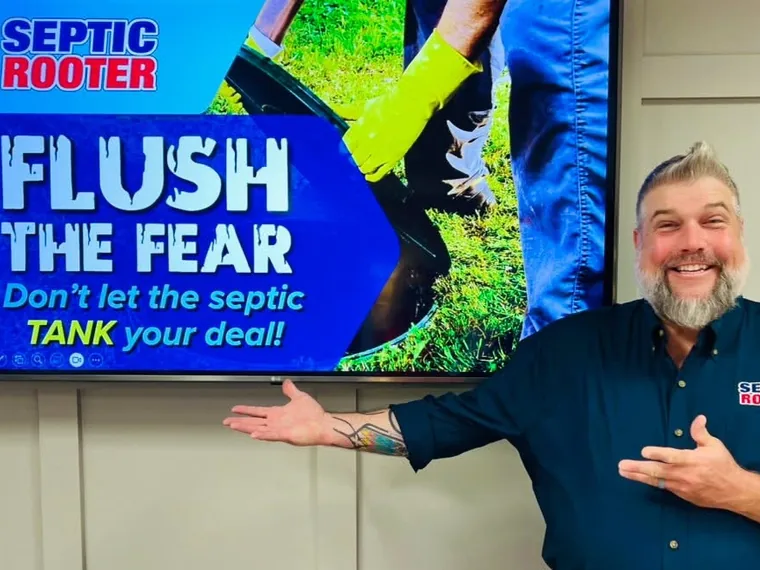
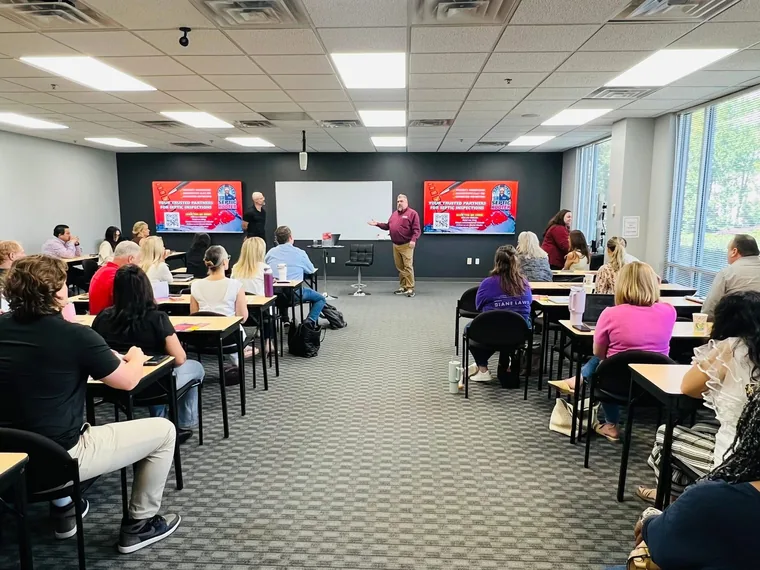
For Real Estate AgentsA smooth transaction depends on more than financing and paperwork — the septic system can make or break a closing. We partner with agencies to teach agents and brokers what they need to serve clients well.
Our class covers how septic systems function, what to expect from a reliable inspection, what state and county codes require, and how common issues affect buying and selling. With this insight, agents can spot red flags early, set realistic expectations for buyers and sellers, and avoid last-minute surprises that delay or derail a closing.
By offering this class, we support agents in protecting their clients' best interests — and give homeowners and buyers peace of mind that one of the largest investments of their lives isn't compromised by an overlooked septic issue.

Regular pumping removes solids before they reach your drain field — most homes need service every 3 to 5 years.
“Flushable” wipes don't break down and grease coats your tank — both accelerate failure fast.
Back-to-back showers, laundry, and dishwasher cycles can overwhelm the system. Space them out.
Tree and shrub roots seek out moisture and invade tanks and lines — a leading cause of repairs.
Don't park or drive over the drain field — compaction crushes lines and ruins percolation.
Slow drains, odors, or lush green patches in the yard are early warnings — don't ignore them.
Save pumping and repair records — they help at resale and speed up any future diagnosis.
Catching problems early in Metro Atlanta almost always means a cheaper, simpler fix.
The SepticRooter Family & Crew
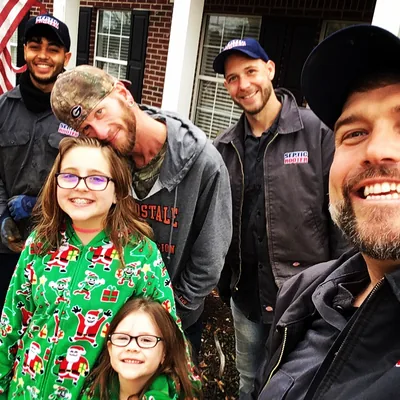
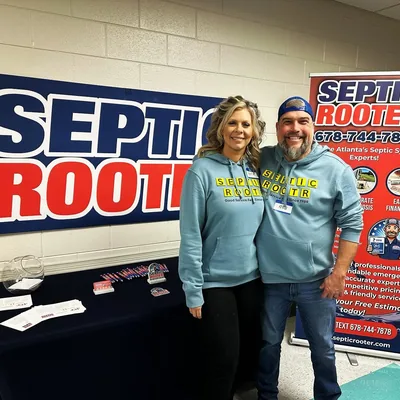
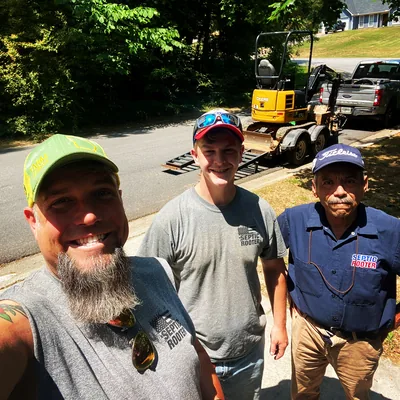
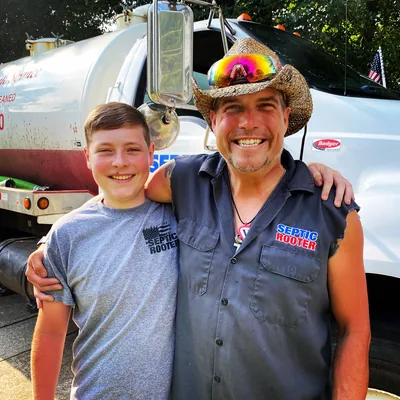
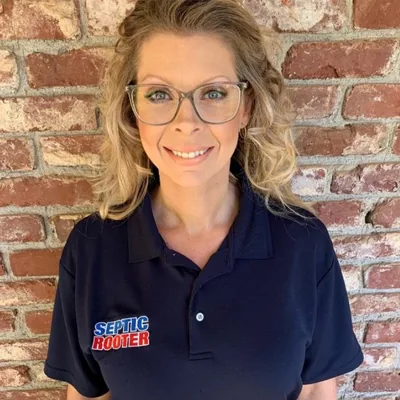
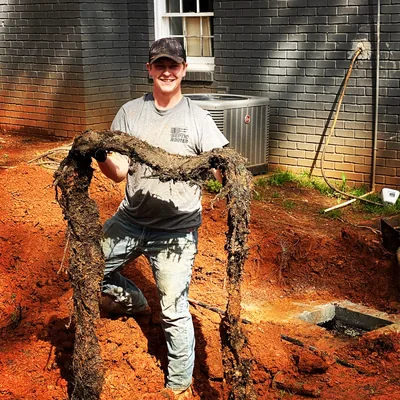
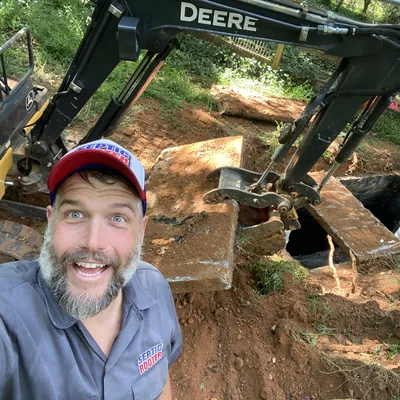
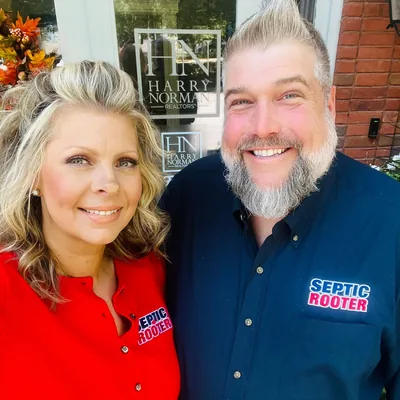
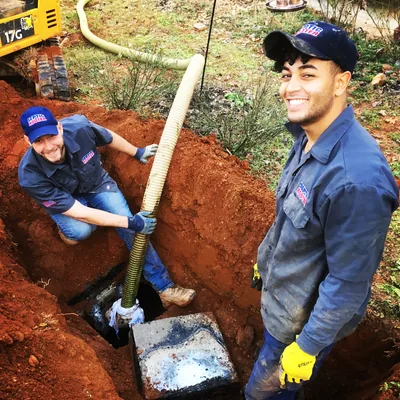
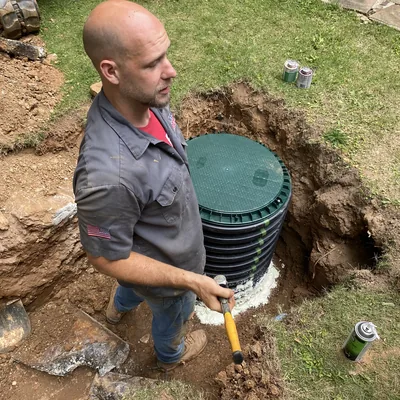
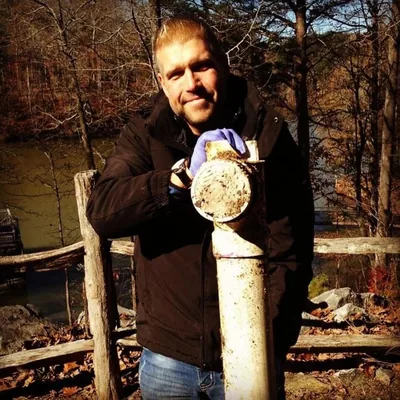
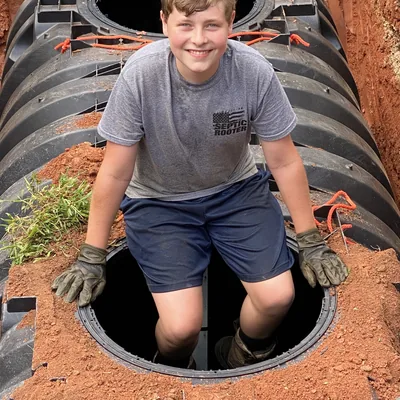
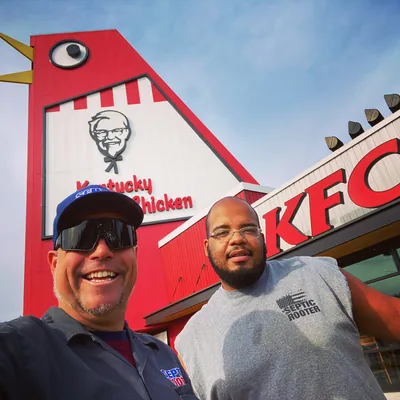
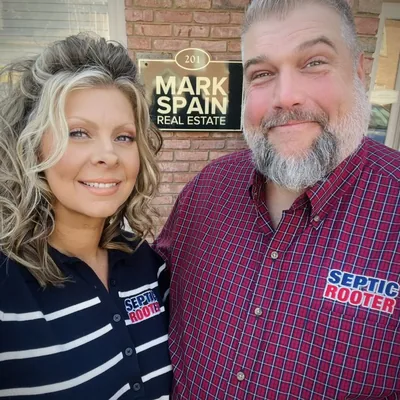
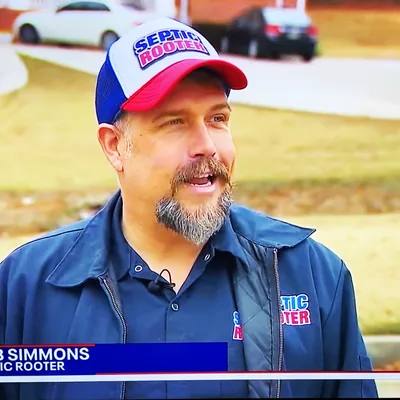
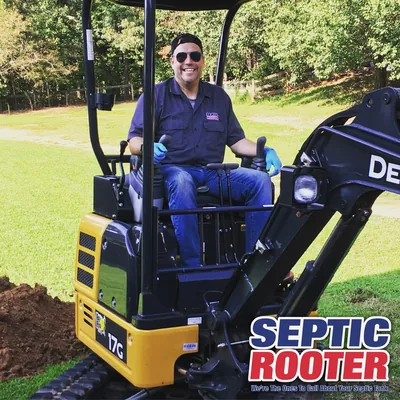
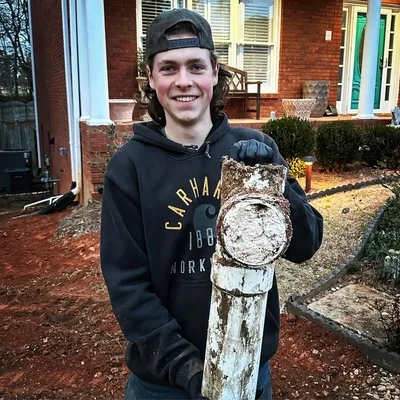
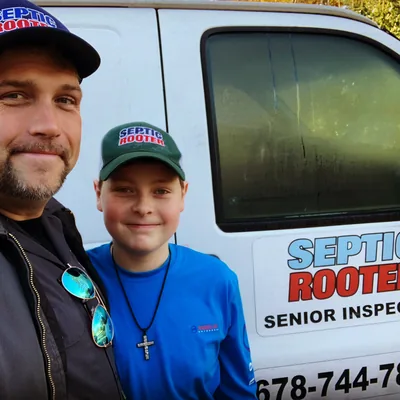
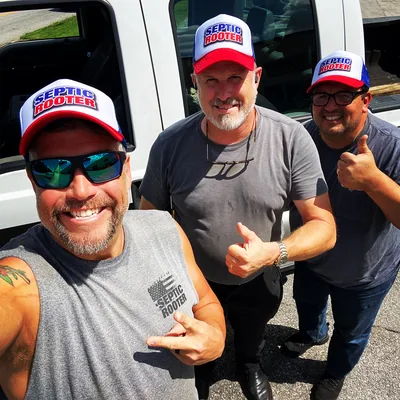

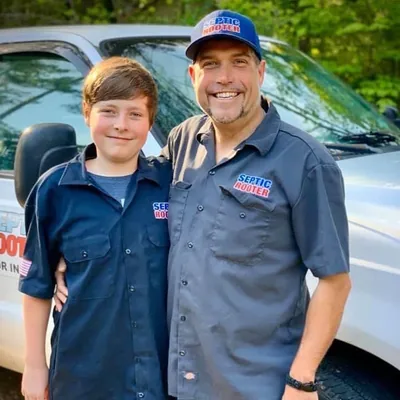
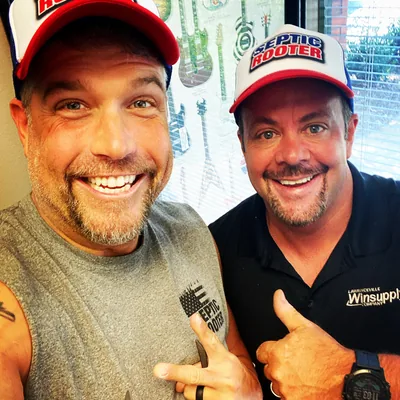
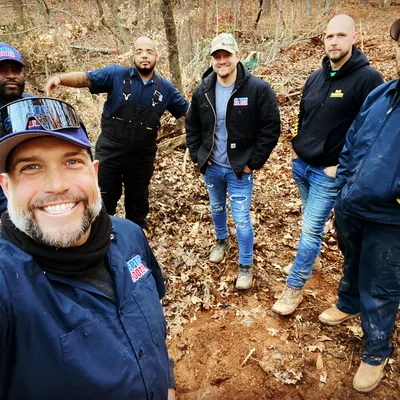

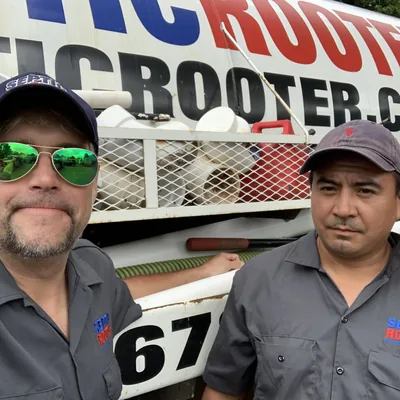
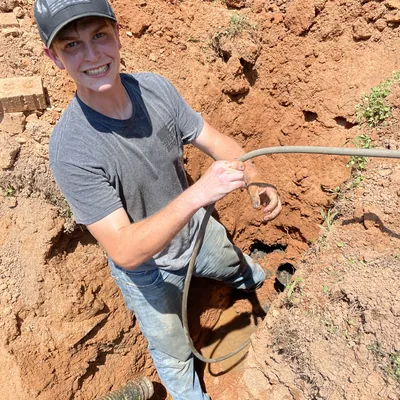
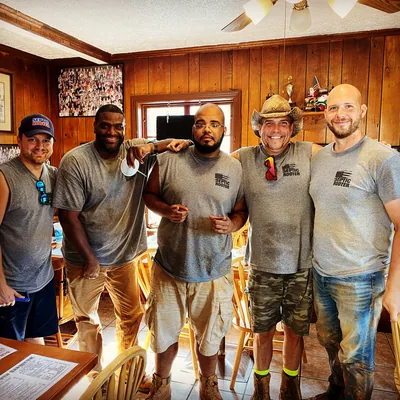
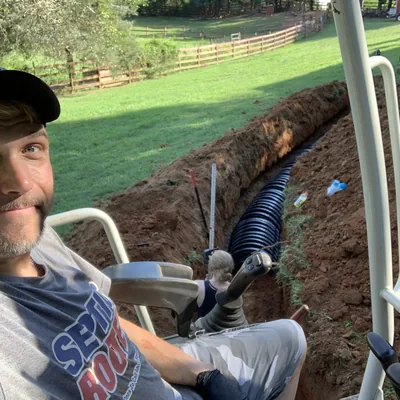

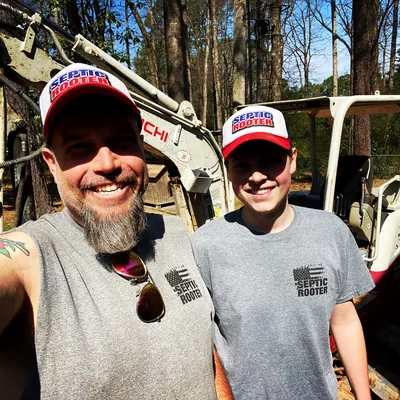

Our licensed technicians will help you figure out the right solution — no pressure, no runaround.
(678) 744-7878